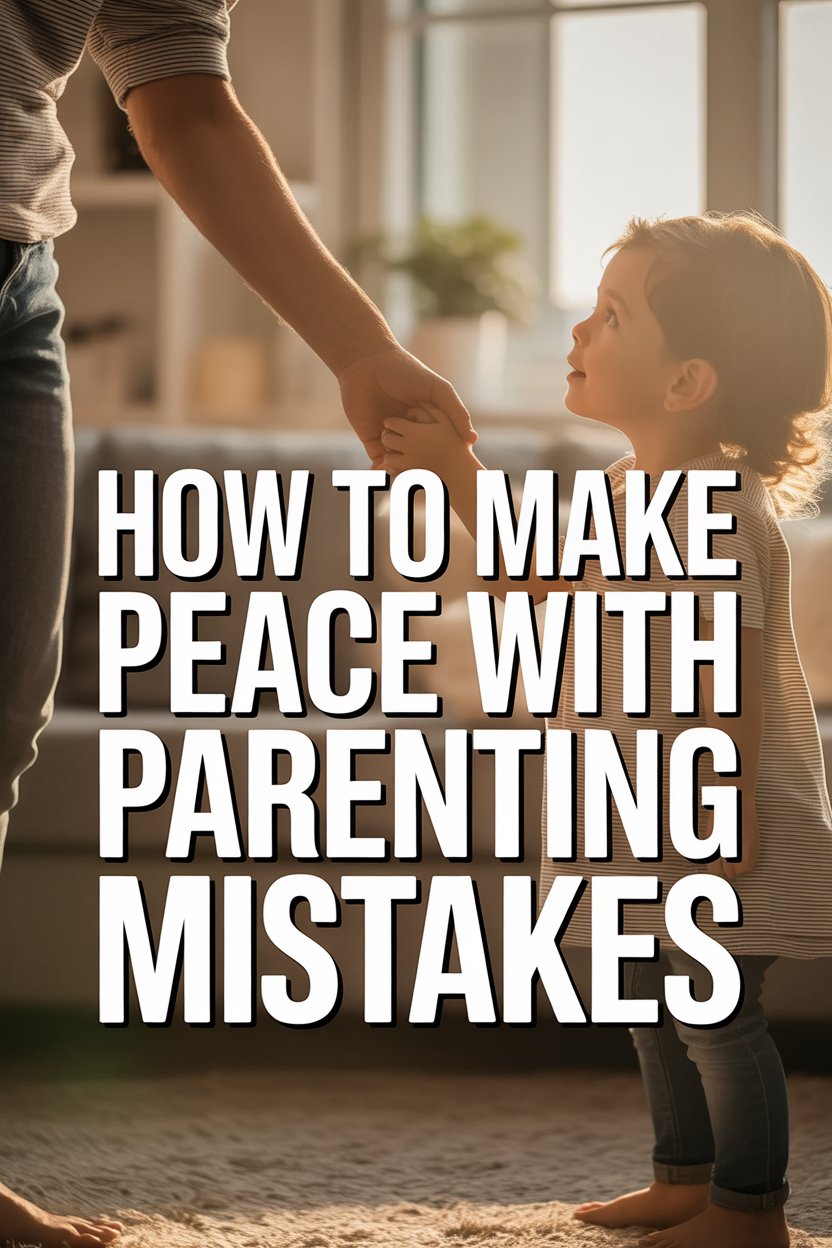
If you’ve ever accidentally signed a school permission slip with your own tears of exhaustion, you’re among friends.
No parent makes it through the child-raising trenches without a few “oopsies”—some so epic you’ll be cringing about them when you’re eighty.
The good news? Kids are surprisingly forgiving, and you can be too.
Here’s how to stop beating yourself up and start making peace with those inevitable parenting blunders.
Mistakes Are the Price of Admission
Every parent has blown it at some point—lost their cool over lost socks, sent a child to school in pyjamas, or given a rousing lecture about the importance of vegetables only to realise their own dinner was three slices of toast and a handful of chocolate buttons.
If you’ve felt the sting of guilt after an outburst or misstep, you’re not alone.
According to Harvard Child Development Center, children’s resilience is built not by perfect parenting, but by supportive relationships and learning to recover from setbacks.
Translation: It’s not the mistake that matters most; it’s what you do next.
Why We’re So Hard on Ourselves
It often seems like every other parent is gliding along, managing perfect routines while serenely baking sourdough with their artfully dressed offspring.
Social media does a stellar job at magnifying our parenting insecurities. That endless feed of smiling families and colour-coordinated bento lunches can make anyone feel like they’re barely holding it together.
Here’s the truth: filters exist; reality’s messier. Want proof? The hashtag #ParentingFail has millions of posts.
We put pressure on ourselves because we care. But clinging to guilt only drains your energy—energy better spent on tickle fights or reading another round of That’s Not My Dinosaur.
Apologies Are Powerful
Said something snappy after stepping on a Lego at 7 a.m.? Welcome to the club. Instead of marinating in guilt or pretending it didn’t happen, try apologising to your child—even the little ones.
Research from The Greater Good Science Center shows children learn empathy and emotional regulation when parents model sincere apologies.
This doesn’t mean grovelling, just a simple, “Sorry I yelled earlier. I was frustrated, but that wasn’t your fault.”
Kids are refreshingly quick to forgive, and you’ll both feel lighter.
Perfect Parents Don’t Exist (But Good Enough Is Wonderful)
It’s tempting to chase the mirage of “perfect parent” status, but don’t be fooled. Even the experts admit it’s not possible.
The concept of the “good enough” parent, coined by the psychoanalyst Donald Winnicott, suggests that children benefit when parents are loving, consistent, and, yes, sometimes flawed.
Being “good enough” means showing up, loving fiercely, and admitting—sometimes out loud—that you’re learning too.
There’s comfort in knowing that perfection is off the table.
Learn the Art of the Do-Over
Wish you could hit rewind? The next best thing is a do-over.
If you handled a situation poorly, try addressing it again with a fresh approach. This works wonders with kids, who thrive with structure and routine but also appreciate when you give them another chance—and yourself, too.
For example: “Earlier, I got cross about the mess in your room. Can we try sorting it together now, and maybe make it a bit more fun?” This small olive branch can reset the mood for everyone.
If only we could use this technique on that 2010 family holiday haircut.
Laugh When You Can
Nothing takes the sting out of a parenting blunder quite like a bit of humour. Left the nappies at home, and now you’re improvising with a tea towel at the park?
One day, that’ll be the story told at their 21st.
Children respond to our moods; laughter signals that even when things go sideways, everything will be okay.
According to study, laughter reduces stress and helps families bond—even when things have gone a bit pear-shaped.
Give yourself permission to see the funny side, whenever possible. The alternative is hiding under the table, and that’s never as comfortable as it looks.
Let Kids See You Grow
Parents are works in progress, just like their children. When you acknowledge your mistakes, problem-solve, and try new approaches, you’re teaching your kids resilience and adaptability by example.
Saying something like, “I’m trying to be more patient, but sometimes I slip up. Thanks for helping me practice,” lets your child know that growth doesn’t end at adulthood.
If your child sees you learning, they’re more likely to take risks, admit errors, and keep trying after setbacks. That’s real-life gold.
Pause and Reflect—Briefly
Busy parents rarely have time for navel-gazing, but a quick pause can help.
After a rough day, spend a few minutes thinking: What triggered that meltdown (theirs or yours)? Was it hunger, tiredness, or a schedule packed tighter than a toddler’s toy box?
A little self-reflection can help you spot patterns, make small tweaks, and feel more in control next time. Even jotting a note on your phone—“Don’t plan dentist appointments right before nap time”—can prevent repeat disasters.
Nobody’s expecting you to start a meditation practice under the stairs. Unless you want to, in which case, let me know how you manage it.
Talk to Other Parents
There’s something deeply reassuring about hearing another parent confess to handing their child a banana for dinner (again). Whether it’s chatting at the school gates or messaging a friend at midnight, sharing your parenting fails helps deflate perfectionism.
Plenty of online groups offer solidarity for parents who aren’t afraid to admit they’re winging it.
Try popping into communities like Mumsnet or Reddit’s Parenting Forum. There’s always someone there who’s been through the same wringer.
You’ll laugh, you’ll swap advice, and you’ll realise that nobody else has it all figured out either.
Forgive Yourself and Move On
Guilt serves a purpose—it reminds us to care, to try. But clinging to it can turn parenting into a guilt-ridden obstacle course.
Once you’ve made amends or adjusted your strategy, it’s time to forgive yourself and get back to your own version of normal.
Think of it as hitting the reset button. Kids are incredibly resilient, and your relationship with them is built over thousands of little moments, not one bad day.
As Dr. Laura Markham puts it, forgiveness is a muscle. The more you practice, the less those mistakes weigh you down.
It’s Not About Perfection—It’s About Connection
At the end of a long, messy day, parenting isn’t about getting every moment right. It’s about the connection you build with your child—through laughter and apologies, do-overs and hugs, banana dinners and all.
Mistakes are inevitable. Peace comes from letting go of perfection and loving your kids (and yourself) enough to keep trying.
Now, about that permission slip with the coffee stain—sign it with pride. You’re doing better than you think.