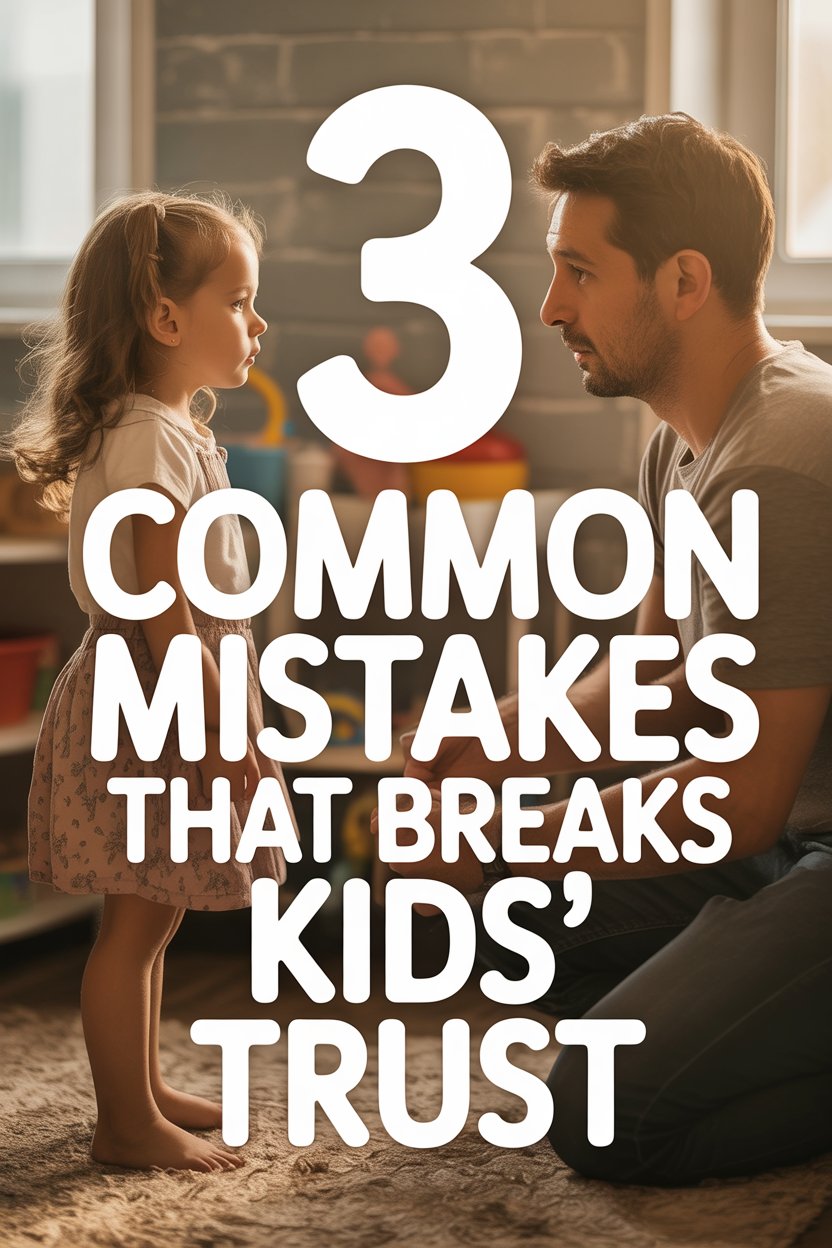
Trust. The invisible thread holding families together—until someone (usually an exhausted parent) accidentally snips it.
Kids aren’t born suspicious, after all. That comes with practice. And sometimes, despite our best intentions, we parents give them plenty of opportunities to practice.
If you’ve ever been on the receiving end of a suspicious side-eye from your five-year-old, or heard your teen mutter “yeah right” under their breath, don’t panic.
This probably means you’re doing a half-decent job at being a normal, imperfect human. But it’s never too late for a little tune-up.
Below are three classic trust-busters, why they crop up, and some surprisingly doable fixes for busy parents who don’t have the luxury of a two-hour meditation followed by a parenting seminar.
1. Empty Promises
You know the scene. You’re late for work, your child is mid-tantrum, and you’re juggling three lunchboxes and a nappy bag.
“If you get your shoes on, we’ll stop for ice cream after school!” The shoes go on. The day rolls by. Ice cream? Completely forgotten—at least by you.
Kids, though, have the memory of an elephant when it comes to treats and TV time.
And when promises like these are made (and broken) enough times, the message they receive isn’t, “My parent is forgetful.” It’s, “My parent’s word isn’t worth much.”
Why does this matter? According to Dr. Victoria Talwar’s research at McGill University, children as young as three begin to develop their sense of trust based on whether adults keep their word.
When those early promises crumble, kids may stop believing you’ll follow through—not just about ice cream, but about bigger stuff too.
What to do instead? Make only the promises you can actually keep. Sounds simple, but in the whirlwind of everyday life, it’s a hard habit to stick with.
If you do slip and forget, own up. “I said we’d go for ice cream but I forgot, and I’m sorry. Let’s plan for this weekend.”
It’s not perfect, but it shows them you value their trust—and that grown-ups can admit mistakes.
If you’re dealing with a tiny negotiator who demands a daily contract, try using “I’ll do my best” or “That’s the plan” instead of “I promise.”
This gives you wiggle room for when life decides to throw a curveball.
2. Inconsistent Reactions
Ever catch yourself laughing at your child’s cheeky behaviour one day, then losing the plot over the exact same antics the next? Welcome to the club.
Kids find inconsistency baffling. Are they allowed to jump on the sofa or not? Why was it funny on Tuesday and a crime on Thursday?
This shaky ground makes it tough for children to predict what’s coming, and it can chip away at their trust.
According to child psychologist Dr. Laura Markham, consistent parenting gives kids a sense of security.
When the rules keep changing, kids start to wonder if anything you say is reliable.
No parent is a robot (thank goodness), but some consistency pays off.
If you need to change the rules, explain why. “We used to wrestle on the bed, but now your little brother is sleeping in here, so we have to stop.”
This helps your child see you aren’t making it up as you go.
Can’t stick to your guns every time? Try having a family check-in—even five minutes at dinner. “Hey, I realised I reacted differently about the sofa-jumping.
Here’s why.” Letting your child witness your effort to be fair tells them their world is safe and predictable (most of the time).
And for those days when you’re too tired to be consistent? Don’t panic. You’re not a circus act. Just give yourself permission to reset tomorrow.
3. Dismissing Feelings
You’re faced with a weeping six-year-old whose “art project is ruined FOREVER” because the glitter isn’t sticking. You’re juggling dinner and the baby’s just eaten a crayon.
The urge to say, “It’s just glitter, you’re fine!” is strong.
Here’s the snag: when we dismiss our kids’ feelings—no matter how small or irrational they seem—we send the message that their inner world doesn’t matter.
Over time, this can erode their willingness to share with us, and yes, their trust.
According to Dr. John Gottman’s emotional coaching research, validating a child’s feelings helps them feel seen and safe. And it’s not about agreeing with their meltdown, but acknowledging it.
“That’s really frustrating. You worked hard on that, and now it’s not turning out how you wanted.”
You don’t need a therapist’s toolkit to do this. Even a quick “That must be hard” can make a difference.
If you’re pressed for time (or patience), try a hug or sitting next to them for a few moments. It doesn’t solve the glitter crisis, but it does show you’re on their team.
And if you mess up and blurt out “You’re being silly, stop crying”—welcome to the human club. Double back with, “Sorry, I didn’t mean to brush off your feelings. Tell me more.” Just like adults crave understanding, kids do too.
Even if their problems don’t rank high on your own personal disaster scale.
Why Trust Is Worth the Effort
Mistakes happen. No parent nails it every time, and anyone who claims otherwise is either fibbing or has a nanny, a chef, and the patience of a monk.
But trust is one of those crucial ingredients that keeps kids coming back to us—when they’re little and when they’re fifteen with their first heartbreak.
Small, consistent acts matter more than big, perfect gestures.
So the next time you’re tempted to promise a pony for five minutes of silence, or dismiss a meltdown about lost socks, just remember: every interaction is a tiny brick in the foundation of trust you’re building.
And you don’t need to be perfect. You just need to be honest, a little predictable, and ready to say, “I messed up—can we try that again?”
Kids are experts at forgiveness, especially when they know you’re trying.
Now, who’s up for a round of ice cream—no promises, though.