Every parent deserves to relax and take a break from all the sleepless nights, overnight feeds, and diaper changes every once in a while. Even just a few hours away can do wonders for your mental health and energy levels. When arranging childcare for your getaway, grandparents are usually a pretty good choice. Your baby will also be more comfortable having familiar faces around, and they already have a plethora of experience from raising you or your spouse.
You can leave your baby with their grandparents at any age you are comfortable with. Their grandparents must also be willing and able to handle the specific demands of childcare your baby needs at their age.
When is It Okay to Leave Baby With Grandparents?
Grandparents Can Handle Baby’s Needs

This is the first and probably most important consideration you’ll need to make before deciding to leave your baby with their grandparents. Babies are demanding and will need quite a bit of attention and even some chasing after, and you need to make sure that their grandparents are physically and mentally up to it.
If your baby has special needs or you would like certain things handled a certain way, give the grandparents instructions in advance. Giving grandparents a copy of your baby’s regular schedule to follow will also help your little one be more at ease, especially they will be staying at their grandparents house and not at home.
Grandparents are Okay With Babysitting

While most grandparents are happy and eager to have bonding opportunities with their grandkids, babies are pretty demanding and understandably, not all grandparents may want to babysit, especially for long periods.
Location is another factor you need to work out with the grandparents. Your baby may be more comfortable at home but their grandparents may want to watch them at their own house.
Tell the grandparents upfront how long you need them to babysit and what exactly you need from them, and make sure they are okay with it. Communication is important, and it will prevent sticky situations from coming up while you are away.
Your Baby Accepts Bottles
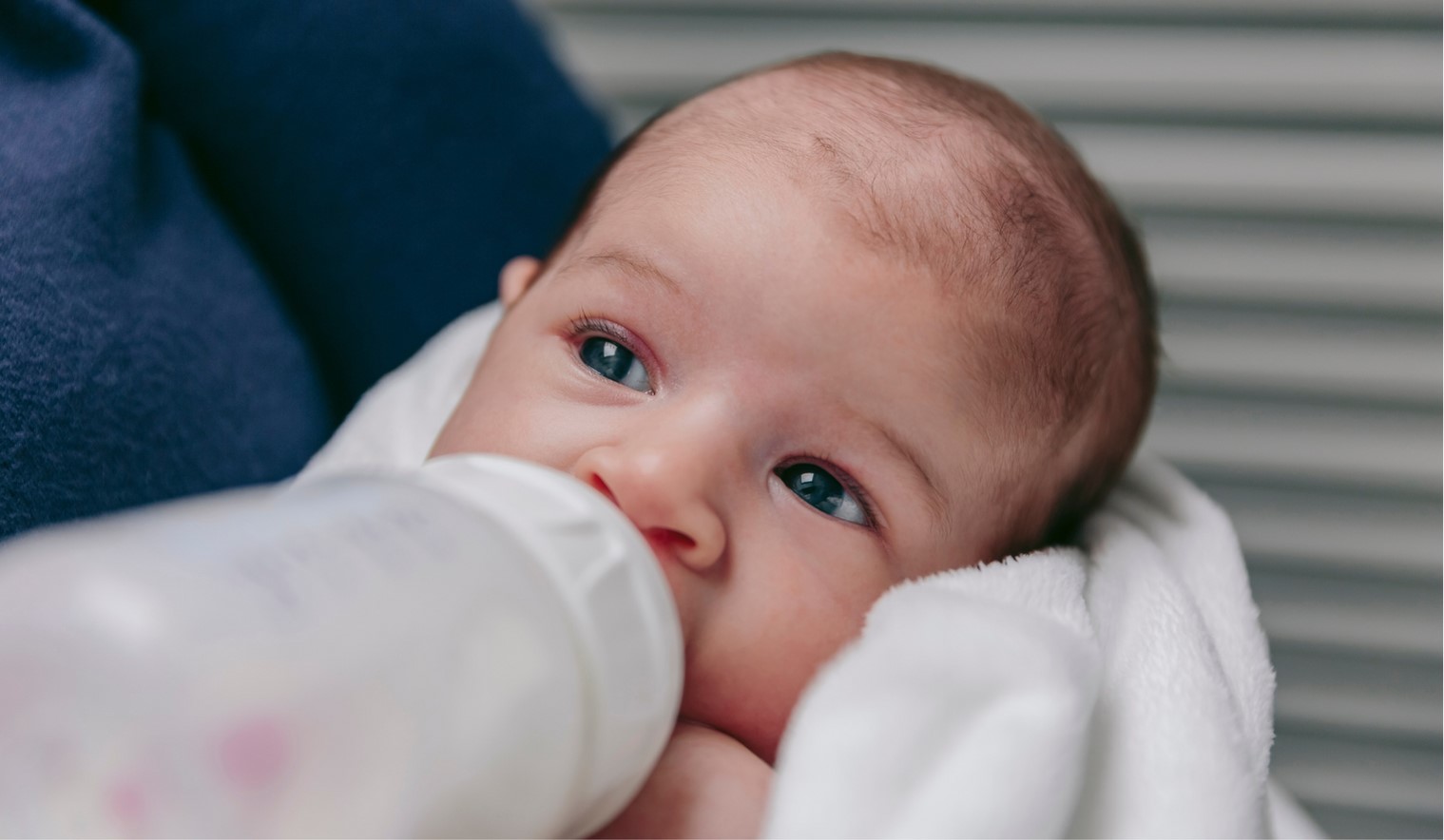
Sometimes, babies will only accept bottles from certain people. Have the grandparents try giving your baby a bottle, just to make sure that they are comfortable accepting bottles from them before you go on your trip.
Most experts recommend that breastfed babies aren’t given bottles until milk supply and breastfeeding are well established, usually around 4-6 weeks of age. If your baby is exclusively breastfed, you may want to hold off on a trip until then, when you can send your baby off to their grandparents with a supply of expressed breastmilk.
Start giving your baby pumped milk from a bottle once or twice a day, a few weeks before leaving for a trip, just so they can get used to bottle feeding. With breastfeeding babies, choose a slow-flow nipple which better mimics the flow rate they would get when breastfeeding.
If your baby is formula fed, make sure the grandparents know how to prepare the powder or liquid concentrate. You may want to pre-portion the formula into a formula dispenser or use ready-to-use formula to make mealtimes easier for their grandparents.
Consider the Length of Time
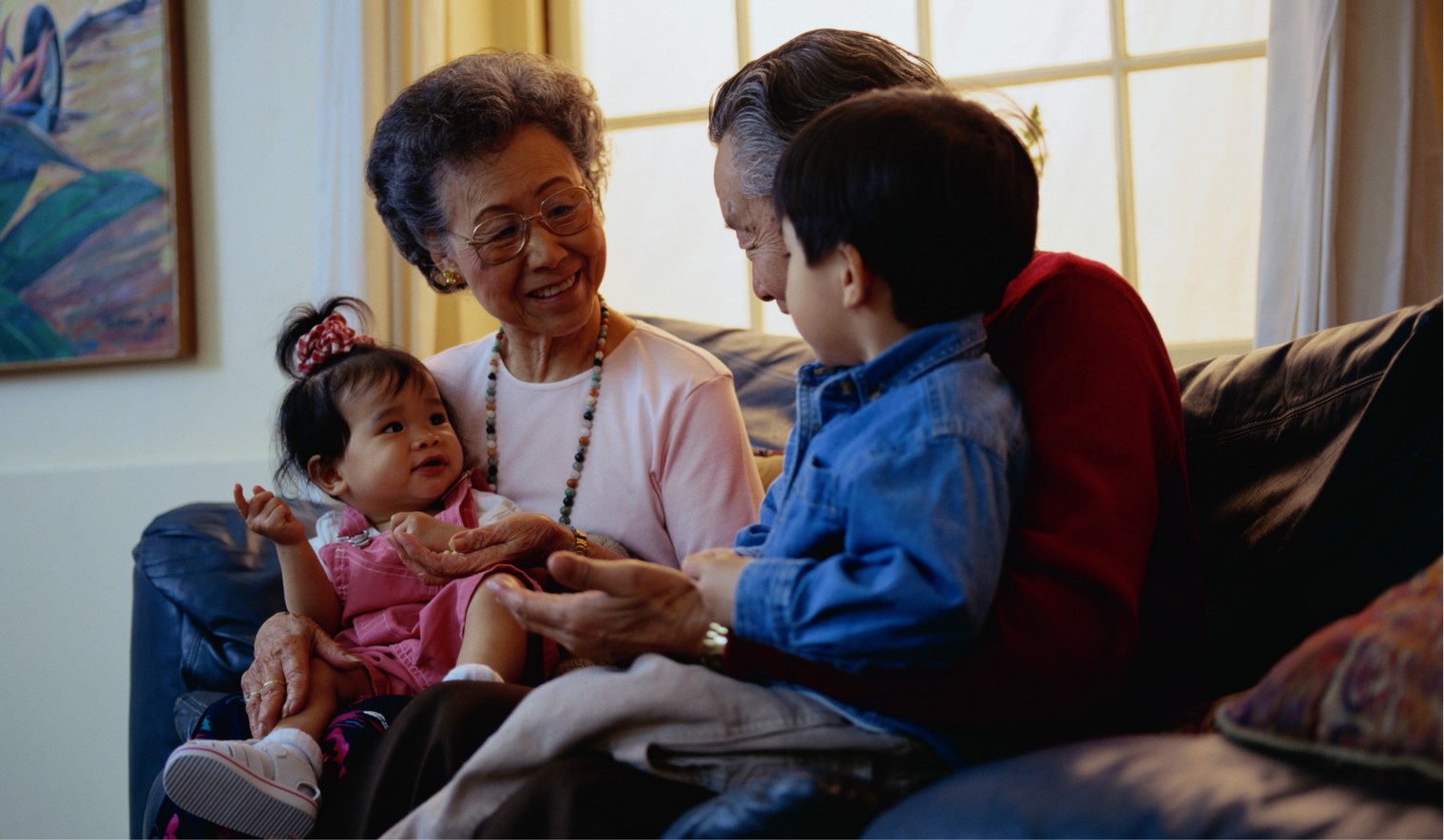
If your baby isn’t used to spending long stretches without you, conduct shorter “trial runs” before trying an overnight stay. Go for a short walk around your neighborhood or a nearby coffee shop for a quick drink while grandma and grandpa watch the baby.
If you plan on leaving your baby with their grandparents overnight or longer, between 6 and 9 months is usually the easiest time to do it. Separation anxiety usually peaks between 10 and 18 months of age and ends by the time your child is 3.
When you do finally go on your trip, don’t just sneak out. Telling your baby when and for how long you will be leaving for will help relieve separation anxiety, even if you don’t think they are quite old enough to understand you. Assure them that you will stay in touch with them on your trip, and show them how they can reach you.
Bottom Line
It is okay to leave your baby with their grandparents at any time, as long as all 3 parties are comfortable with and can handle the arrangement. Figure out a plan that works for you, your baby, and their grandparents, and give it a test run with you out of the house but still nearby.
Test runs will help you fine tune your plan to work as smoothly as possible. Grandma and grandpa can have some one-on-one bonding time with their grandchild, and you can have a restful and worry-free break from your parenting duties.